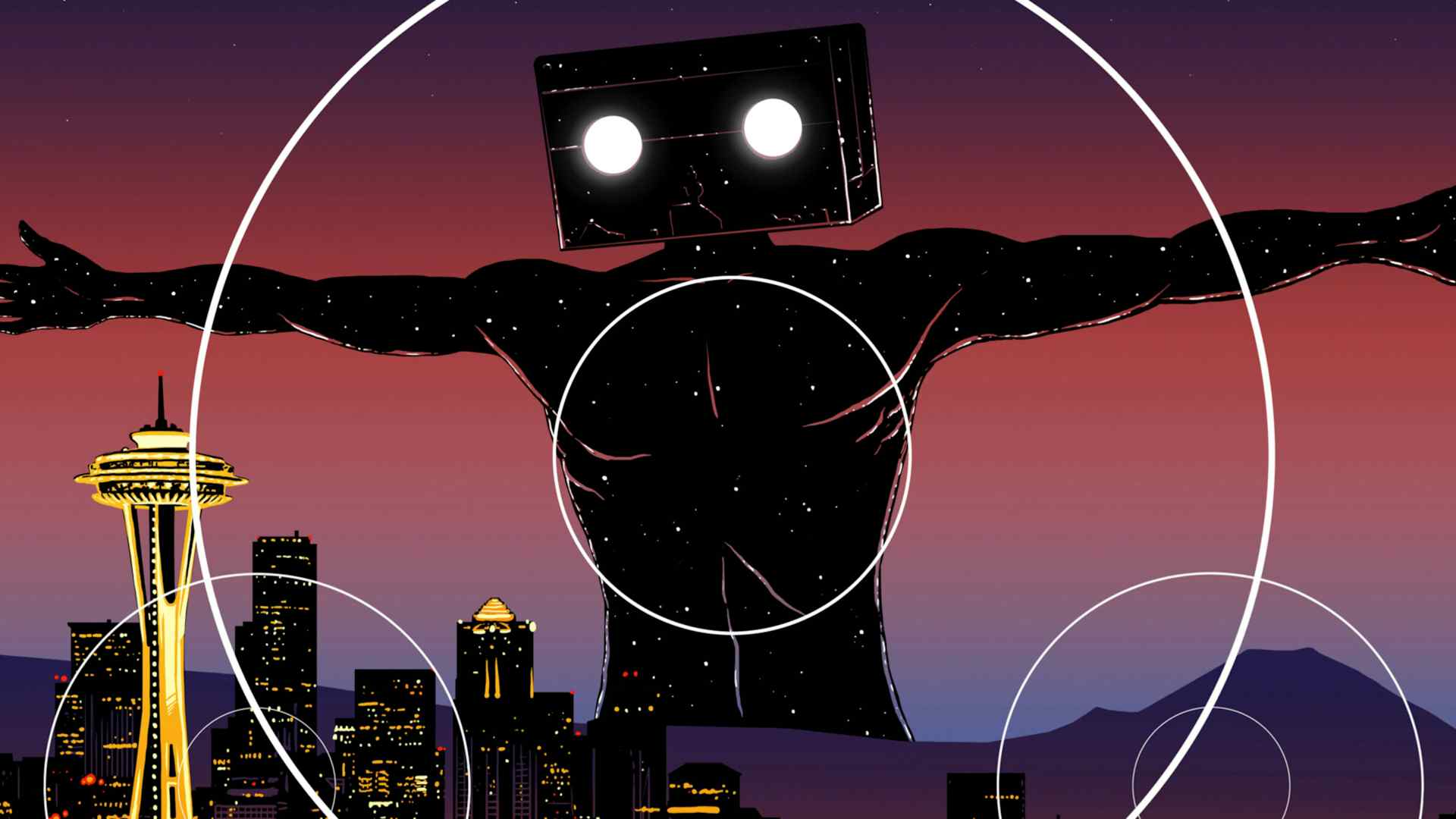
Scarecrow Video, the iconic Pacific Northwest-based nonprofit and home to the world’s largest publicly accessible physical media collection, has purchased its longtime home in the University District, marking a transformative turning point for the organization and the city’s creative ecosystem.
The purchase comes at a pivotal moment for arts and culture organizations across the country, many of which face mounting financial pressures, rising rents and increasing risk of displacement. In an era when cultural spaces are routinely priced out of the cities they help to define, Scarecrow’s acquisition represents long-term stability, preservation and renewed possibility.
Seattle’s creative economy has long punched above its weight nationally, fueling innovation, storytelling and cultural exchange. Yet even in a city celebrated for creativity, independent arts institutions continue to face extraordinary challenges. Nationwide shifts in philanthropy, real estate costs and audience behavior—combined with seismic changes in the film and media industries—have placed beloved community institutions at risk. The University District was once a vibrant hub for cinema culture with multiple independent theaters and a bookstore dedicated exclusively to film. Over the last decade, all have shuttered due to one hardship or another.
"Once we relocated the collection from Latona to Roosevelt Way in the early-1990s, much of Scarecrow’s charm became interconnected to this cathedral-like building,” stated Jonathan Marlow, SV Archive’s Executive Director. “Many believed that acquiring our building was out-of-reach. With immense gratitude for the support of our most fervent supporters, the impossible became possible.”
Merely one year ago, Scarecrow Video itself faced the real threat of permanent closure and the unimaginable loss of its irreplaceable archive. In 2024, the organization launched the S.O.S. (Save Our Scarecrow) fundraising campaign, which ultimately raised $1.8M to sustain operations and invest in critical staff, equipment needs and software infrastructure. Then, in early 2025, the owners of Scarecrow's building notified the organization that they were placing the property back on the market. With limited time to mount a robust capital campaign, the Executive team and Board of Directors moved quickly in partnership with Scarecrow’s closest supporters to gather a consortium of personal loans to secure the down payment before a developer could purchase the property and displace its priceless physical media collection.
“We still have a long fundraising road ahead of us, between paying off the purchase financing and much-needed improvements to make our collection and public programming even more engaging and accessible to everyone,” said Lacey Leavitt Gray, Board President of Scarecrow. “For today, I'm thrilled that now we can do it from a place of security, with gratitude to our community and our (now former) landlords that we'll be able to stay—and grow—in this beloved building we call home.”
Scarecrow’s archive contains nearly 155,000 titles—seven times more than all major streaming services combined—many of which will never be available to stream digitally. These films represent 138 countries and 126 languages and include vital works by BIPOC, LGBTQIA+, women and international filmmakers, preserving cinematic voices that might otherwise be marginalized or disappear entirely. Each year, Scarecrow serves over 60,000 patrons through its library, reaches tens-of-thousands more through free public programming across the region and connects audiences nationwide through its expanding rent-by-mail service.
“When my partners and I purchased the building in 2014 we vowed that Scarecrow would remain in place. It’s gratifying that we were able to keep that promise and we wish them the best in their forever home,” said Alan Pruzan, former building-owner. “I’ve been involved with film and arts nonprofits for decades and I’m thrilled to see an arts organization reach the important milestone of owning their space and controlling their own destiny.”
Scarecrow’s renewal has been fueled by an outpouring of community support. The aisles are teeming week after week with new and longtime visitors, drawn by curiosity and the tangible thrill of discovery. A revitalized membership program empowers affordable access and offers engaging perks while sustaining and preserving the legendary collection. Scarecrow’s focus on building real-world community and broadening partnerships has solidified its role as a cultural anchor, forged new community connections and deepened its impact along the entire west coast.
As the film industry continues to evolve—often prioritizing scale, speed and profit over preservation—Scarecrow remains a rare counterbalance: a place where cinema is experienced as art, history and shared human storytelling rather than disposable content. Since 1988, Scarecrow Video has been deeply beloved by generations of film lovers, artists, educators and creatives. With this purchase, the organization is no longer simply surviving in Seattle. It is grounded in community.
“This milestone ensures that Scarecrow can remain an iconic hub of creativity, connection and community for generations to come,” said Vicky Tamaru, SV Archive’s Engagement and Strategic Partnership Director. “Owning our home allows us to invest boldly in the future while honoring the past that so many people helped build.”
The purchase secures Scarecrow’s place in Seattle’s cultural landscape and stands as a powerful example of what becomes possible when communities come together to protect the institutions they love.
Download a PDF of this press releasse.